The Mothers Who Kept the Window Open
What Peter Pan's Neverland, Mother’s Day, and modern parenting reveal about the village we lost.
Read the full essayThe data behind this essay. Every figure traces to a source the essay cites. Hover any card to share it.
What we tried to make easier across the last half century, we have in many ways made lonelier. The work was always going to be hard. The village was the part we could have kept.
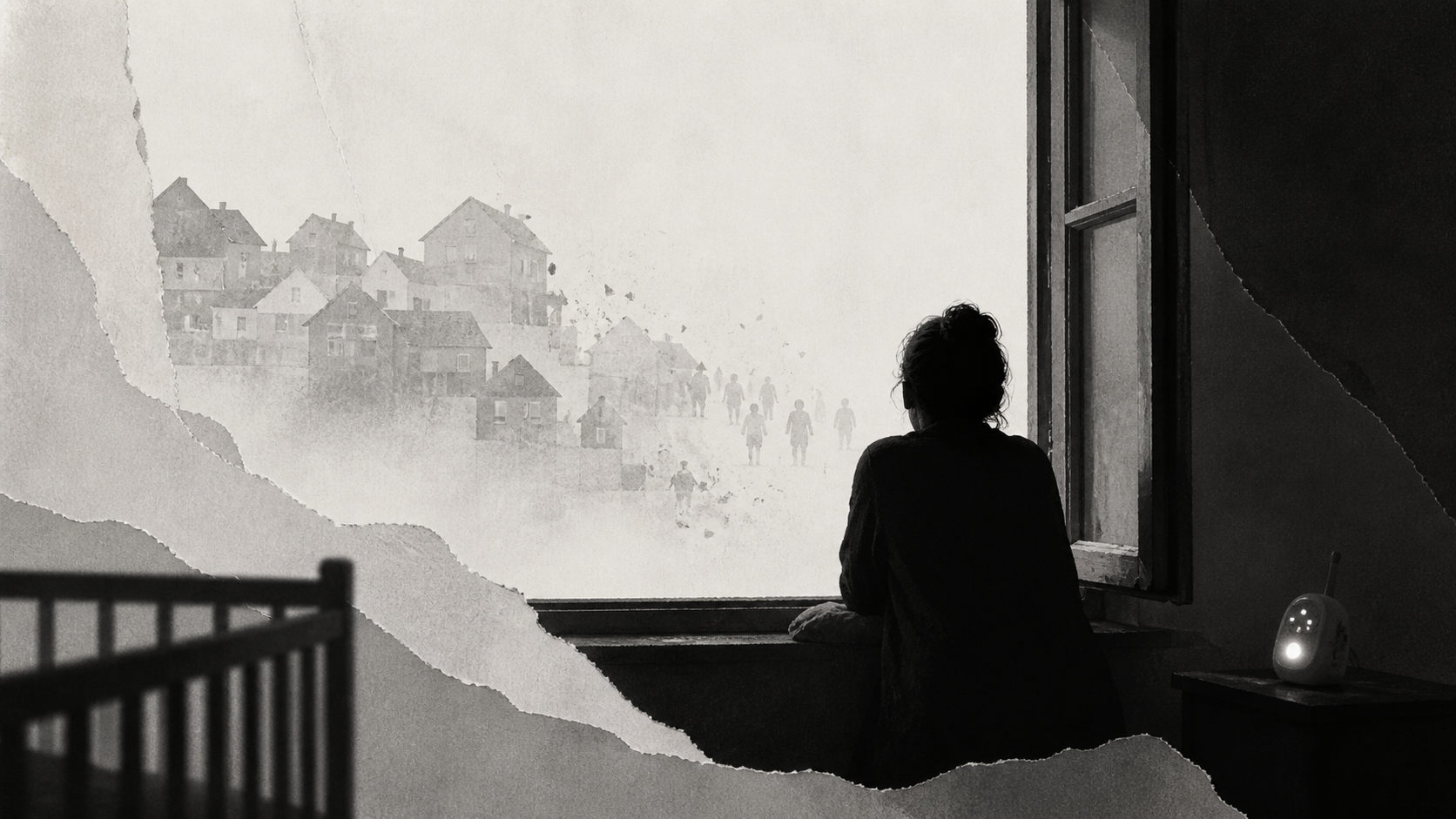
In a 200-seat high school auditorium, watching a student production of Peter Pan with his six-year-old, the moment that stayed with Ryan was not the sword fight. It was Peter's mother lying on the windowsill, saying she had waited there every night for more than 50 years for her son to come home.
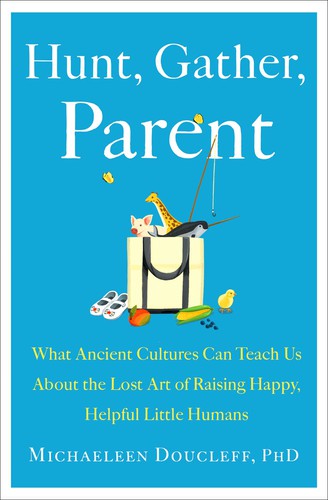
For most of human history mothers did not raise children alone. The work was hard but distributed across siblings, aunts, grandparents, and neighbors. Michaeleen Doucleff's image in Hunt, Gather, Parent captures what makes human infancy different: animals stand within hours, human helplessness lasts years, and that was always meant to be carried by more than one person. Today 66 percent of U.S. parents say the demands of parenthood sometimes or frequently feel isolating and lonely, 38 percent report no support at all, and nearly 80 percent want a way to connect with other parents (Gawlik et al., 2024).
Two things have been climbing together. Enrollment of three and four year olds in school or early care rose from 9.5 percent in 1964 to 52.4 percent by 2011, and U.S. child daycare is now roughly a 74.7 billion dollar industry. Meanwhile postpartum depression diagnoses nearly doubled between 2010 and 2021, from 9.4 percent to 19.0 percent across an analysis of more than 442,000 births (Bruno et al., 2024). Ryan is careful not to claim causality, noting better screening and less stigma are part of it.
This is the Friction Doctrine applied to mothering. Fertility apps catch the news within days, which brings the joy earlier and the grief earlier too. Delivery services put diapers at the door within an hour, and the neighbor was never met, the friend never came to hold the baby. We have more information about our babies than any mother in history and have mistaken that information for wisdom. The data tells you when to worry. It rarely tells you when to stop.
66 percent of U.S. parents say the demands of parenthood sometimes or frequently feel isolating and lonely, and 38 percent report no support in their parenting role (Gawlik et al., 2024).
Postpartum depression diagnoses in the United States nearly doubled between 2010 and 2021, rising from 9.4 percent to 19.0 percent across more than 442,000 births (Bruno et al., 2024).
Enrollment of three and four year olds in school or early care rose from 9.5 percent in 1964 to 52.4 percent by 2011. What used to be a grandmother or a neighbor has become an institution.
The average American mother had her first child at 21.4 in 1970, 24.9 by 2000, and 27.5 by 2023, the highest on record. Total fertility sits at 1.621, the lowest ever recorded (CDC and NCHS, 2025).
We have more information about our babies than any generation in history and have mistaken it for wisdom. The data tells you when to worry, and rarely tells you when to stop.
Plain-language definitions for the ideas in this episode. Structured for search and AI answers.
The distributed network of siblings, aunts, grandparents, neighbors, and friends that historically shared the labor of raising a child, so that no single person carried years of total dependence alone.
In this episode: What Ryan argues we removed, and what paid childcare and policy are now being asked to replace.
Ryan Vet's framework holding that every tool built to remove difficulty carries a quiet cost in return, usually in the relationships or formation that the difficulty used to require.
In this episode: Applied to fertility apps, car seats, delivery services, and infant monitoring.
The condition of knowing more measurable detail about a child than any prior generation while gaining no better sense of what actually warrants concern.
In this episode: Ryan's own children, one ahead on fine motor milestones and behind on rolling over, another put through years of testing traced to a likely mismeasurement.
Lines worth keeping, verbatim from the episode.
The work was always going to be hard. The village was the part we could have kept.
The data tells you when to worry. It rarely tells you when to stop.
Children look for mothers, even when they are pretending not to need one.
Straight answers to the questions this essay raises. Open by default, structured for search and AI.
What is the main argument of The Mothers Who Kept the Window Open? +
Mothering has always been hard; what changed is that we now do it alone. Across the last century we built tool after tool to make the work easier and, in many ways, made it lonelier. The work was always going to be hard. The village was the part we could have kept.
Why do so many parents feel lonely today? +
For most of human history mothers raised children inside a community of siblings, grandparents, and neighbors who shared the load. That structure has thinned. A 2024 Ohio State survey found 66% of U.S. parents say parenting feels isolating and lonely, and 38% report no support at all.
Is postpartum depression really rising? +
An analysis of more than 442,000 births found postpartum depression diagnoses nearly doubled between 2010 and 2021, from 9.4% to 19.0%. Some of that reflects better screening and less stigma, but the trend, rising alongside parental loneliness, is hard to ignore.
Why are people having fewer children, and later in life? +
The average age at first birth rose from 21.4 in 1970 to 27.5 in 2023, and the fertility rate of 1.62 is the lowest the U.S. has recorded. A 2024 Pew survey found 57% of adults under 50 who are unlikely to have children say they just don't want to. Ryan suspects it is both a story of convenience and of how isolating and expensive motherhood has become.
What does the essay suggest we do about it? +
Become a small piece of someone else's village: the grandmother who calls, the friend who drops off a meal, the neighbor who knocks, the aunt who stays for the week. The work stays hard, but the isolation does not have to. The window is still open.
Full show notes
The hardest part of modern motherhood isn’t the work. It’s that we now do it alone. The work was always going to be hard. The village was the part we could have kept.
Generational futurist, USA Today bestselling author, and keynote speaker Ryan Vet starts at a high school production of Peter Pan, with the image of a mother lying on a windowsill, waiting fifty years for her son to come home. That ache is old. The conditions around it are not. In this episode, Ryan traces what happened to motherhood across the last half-century and makes a quiet, data-backed case: mothering has always been hard, but a century of trying to make it easier has, in many ways, made it lonelier.
For most of human history, mothers did not raise children alone. The work was distributed across siblings, aunts, grandparents, and neighbors, with a baby passed from one set of arms to the next. Ryan walks through what replaced that village: a child daycare industry now worth roughly $74.7 billion a year, early-care enrollment for three- and four-year-olds climbing from 9.5% in 1964 to 52.4% by 2011, and a $1.7 billion universal childcare plan announced in New York in 2026. When the family, church, and community leave the room, somebody has to fill the chair. Increasingly, that somebody is paid, scheduled, and unrelated to the family.
Then he takes on the cost of being alone. A 2024 Ohio State University survey found 66% of parents say parenthood sometimes or frequently feels isolating and lonely, and 38% report no support at all. Postpartum depression diagnoses nearly doubled between 2010 and 2021, from 9.4% to 19.0%. The first mothers carrying both loneliness and PPD at scale are also the first cohort who came of age inside social media. And Ryan applies the Friction Doctrine to mothering: every tool we built to remove the difficulty, from fertility apps to delivery services to overnight monitors and milestone trackers, carried a quiet weight in return. We now have more information about our babies than any generation in history, and we have often mistaken that information for wisdom.
In this episode:
The Peter Pan windowsill image that reframes love, loss, and hope in motherhoodWhy mothering has always been hard, and why a century of making it “easier” made it lonelierWhat we lost when we traded the village for institutions, apps, and convenienceThe loneliness epidemic among parents, and why mothers report it most acutelyThe doubling of postpartum depression, and the first generation of mothers raised on social mediaThe Friction Doctrine, Mother’s Edition: how every labor-saving tool carried a hidden costWhy we now have more data about our children than ever, and have mistaken data for wisdomMotherhood happening later and less often, and the question hidden inside the fertility declineWendy, the Lost Boys, and why children look for mothers even when they pretend not to need oneWhat it actually looks like to become part of someone else’s villageReferenced in this episode:
Hunt, Gather, Parent by Michaeleen Doucleff (2021)The Ohio State University Wexner Medical Center, National Survey on the Loneliness Epidemic Among Parents (Gawlik et al., 2024)Trends in Postpartum Depression, JAMA Network Open (Bruno et al., 2024)Pew Research Center, survey on U.S. adults who don’t have children (2024)CDC/NCHS, Births: Final Data for 2023 (2025)COLLIDE Newsletter by Ryan Vet: ryanvet.com/collideFull essay version of this episode: https://collide.ryanvet.com/p/the-mothers-who-kept-the-window-openConnect with Ryan Vet:
Website: ryanvet.comCOLLIDE Newsletter: ryanvet.com/collideLinkedIn: linkedin.com/in/ryanvetInstagram: instagram.com/ryancvetBook Ryan as a Keynote Speaker: ryanvet.com/generational-speakerSubscribe to The Ryan Vet Show on Apple Podcasts, Spotify, YouTube, and wherever you get your podcasts. New COLLIDE essay episodes release every Thursday at 7am ET. Guest era episodes release Monday mornings at 6am ET. Join the COLLIDE newsletter at ryanvet.com/collide for the research, reflections, and frameworks behind every episode.
Send us Fan Mail
About Ryan VetRyan Vet is a USA TODAY bestselling author, futurist, and international keynote speaker whose insights on generations, culture, and the future of work have been featured in Forbes, Financial Times, ABC, NBC, and CBS. His research helps leaders understand emerging generational patterns and anticipate societal shifts before they fully unfold.
Join 20,000+ Leaders for Weekly InsightsIf you want deeper research and behind-the-scenes insights on generations and the future of culture and society, join Ryan’s weekly newsletter: 👉 https://ryanvet.com/collide