
The Anxious Generation
How the Great Rewiring of Childhood Is Causing an Epidemic of Mental Illness
The Anxious Generation by Jonathan Haidt (2024) — Jonathan Haidt's case that between 2010 and 2015 childhood shifted from play-based to phone-based, and that adolescent mental health collapsed as a result.
Reviewed by Ryan Vet · Last updated
What is The Anxious Generation about?
Social psychologist Jonathan Haidt argues that adolescent mental health began to deteriorate sharply around 2012, driven by the shift from a play-based childhood to a phone-based one alongside overprotective real-world parenting. He compiles international data and proposes four norms, including no smartphones before high school and no social media before age sixteen, addressed to families, schools, tech companies, and governments.
Is The Anxious Generation worth reading?
The most useful chapter is the one nobody quotes: the lost milestones at six, eight, ten, twelve, each one handing a kid slightly more freedom than the last. Read it for the mechanism rather than the verdict. Where I part ways is the fix, because banning the phone treats the visible layer.
Read it if…
- You want the mechanism behind Gen Z behavior, not a verdict on it
- You have written off a young employee as entitled
- You are raising kids and keep defaulting to no
Skip it if…
- You want what generated the pattern, not the latest instance of it
- You need policy, because this is diagnosis
- You have already read Coddling and want new ground
Ryan's take
I had a Juno account in the late nineties and nobody knew I was a kid. That is how I built a marketing company as a teenager. Haidt's case against the ageless internet is also a case against my own start. He is right about the phone. My pushback is that the phone is a villain in a battle, not the war. The war is the self.
Where Ryan has discussed this book
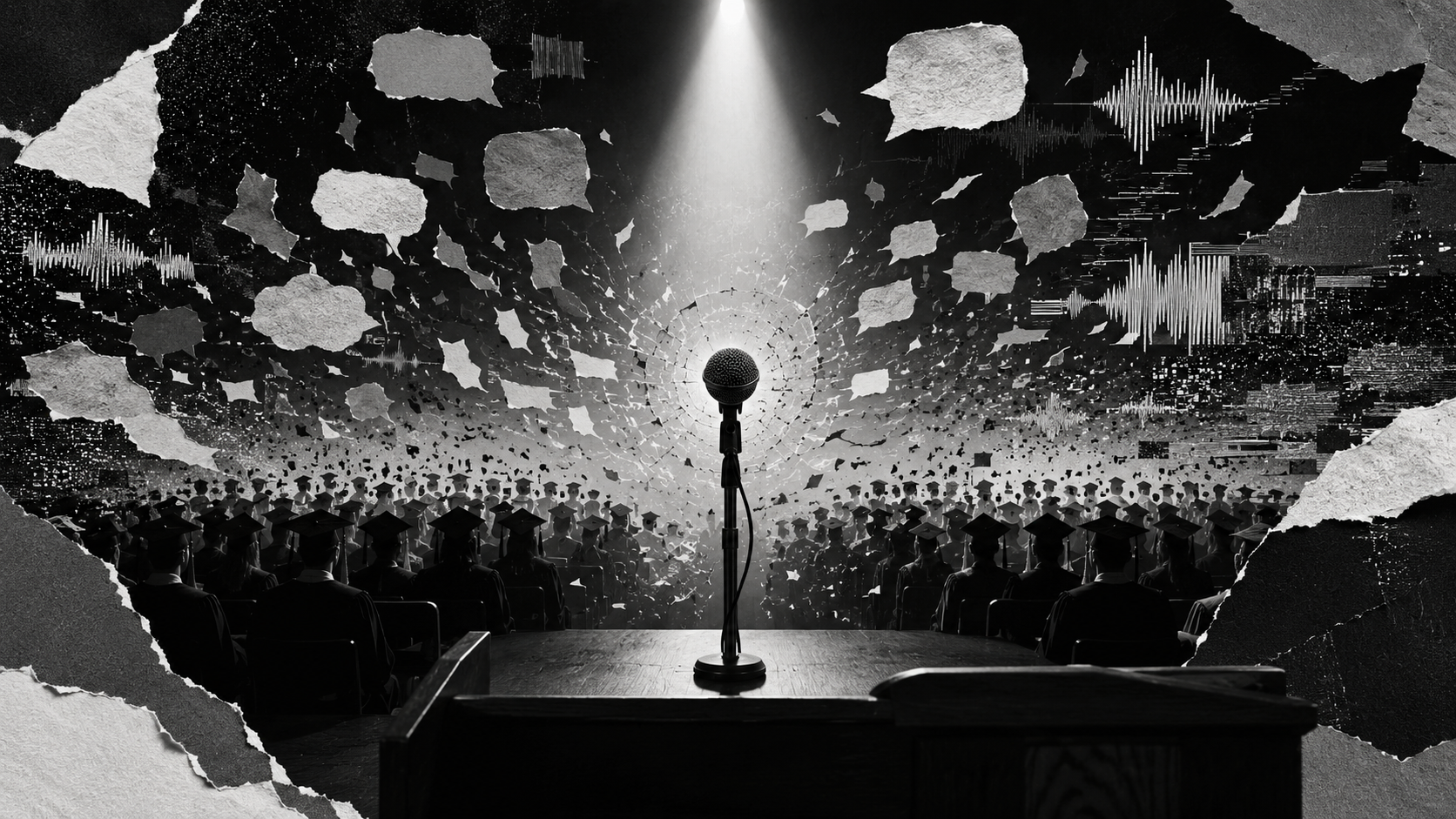
 The Class of 2026 didn't boo the future. They booed being told the future had already been decided for them. Why Wozniak Got Cheered and Schmidt Got Booed: What Commencement Boos Reveal About AI, Gen Z, and the Velocity Gap



Frequently asked questions about The Anxious Generation
What is the Great Rewiring?
Haidt's name for 2010 to 2015, the window when smartphones and social media restructured adolescent life. It is a useful handle because it dates the thing. Most arguments about kids and screens never specify when the change happened, which makes them impossible to test. Haidt names a five-year window and then defends it.
Why is 13 the minimum age on every platform?
COPPA set it. That is a legal artifact, not a developmental one, and Haidt is good on the difference. No one studied thirteen-year-olds and concluded they were ready. A regulation picked a number, and every platform on earth inherited it as though it meant something.
What is defend mode?
The natural learning pattern is to explore, then run back to home base when something goes wrong. Haidt argues Gen Z is stuck in the running-back half, because they never built immunity to ordinary anxiety. I find this the most useful frame in the book for workplace culture. A lot of what gets written off as entitlement is defend-mode behavior from people who never got to practice the loop.
What does the book miss?
Milestones. Haidt writes about the markers at six, eight, ten, twelve, each one earning a little more freedom. What he does not chase is that a secular society stops having them at all. Look at the driver's license. It used to be the thing you counted down to. Now a lot of kids are indifferent, and we did that, not the phone.
How did play move from the arcade to the bedroom?
This is my addition rather than his. Arcades were limited by quarters and time, and you competed against a physical crowd for a high score. Consoles moved it home but kept it social, four people on a couch. Then consoles went personal, then online. Now a kid plays with people across the world from a bedroom, alone. Same with the family computer becoming the phone.
Why can't one parent fix this alone?
Because it is a collective action problem. Haidt points out that a single kid outside alone gets his parents reported, while a group of kids outside is normal. That is the whole thing in one sentence. No parent will let their kid walk to the store alone. Most parents would let their kid walk with three friends. The unlock is two or three families moving at once, not one braver parent.
Why did helicopter parenting happen?
Four things converged, and none of them are a character failure. College got existential, so parents optimized. Media saturated us with predators and serial killers. Cars filled the streets as cities densified. And neighbors stopped knowing each other, which removed the extra sets of eyes that used to make a street safe. It was a rational response to structural change.
Do you agree with the book?
Mostly, and my disagreement is about scope rather than evidence. The phone is a real villain in a real battle. But the war is the self, and the phone is the tool the self reached for. Ban the phone and the same impulse buys the next device. I am not arguing Haidt is wrong. I am arguing he stopped one layer up.
Books like The Anxious Generation

Publication details
- Publisher
- Penguin Press
- Published
- 2024
- Pages
- 400
- ISBN-13
- 9780593655030